Reimagining Accessibility in Hotel Design
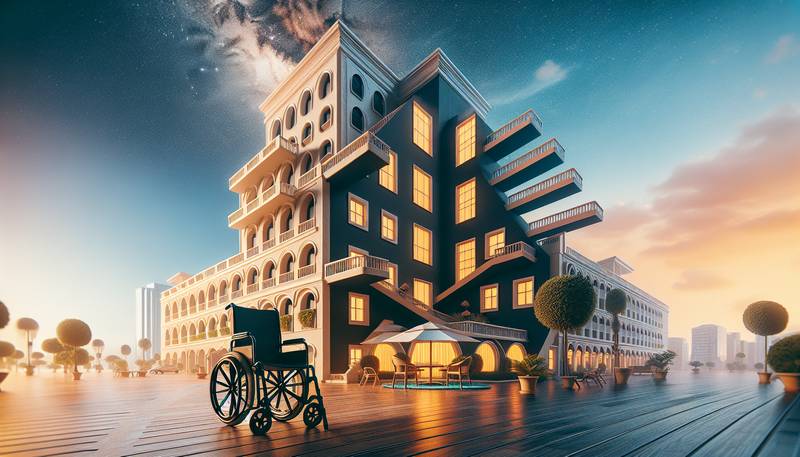
Check-In with a SmileImagine walking into a hotel where the front desk staff greets you not just with a smile, but also with a warm, electrifying energy that’s almost as welcoming as a freshly baked cookie. Accessibility? Yes! But also a dash of humor that makes you feel right at home. Accessibility in hotel design isn’t just about ramps and wide doorways—though those are crucial. It’s about creating an environment where everyone can experience hospitality without feeling like they need a map and a compass. Picture this: a hotel designed so intuitively that even the goldfish would be able to navigate its hallways without taking a wrong turn. Ramps That Don’t Rhyme with “Dramatic”When it comes to accessibility features, let’s talk ramps. They should feel less like steep mountains and more like a gentle hill where you can roll your luggage without needing a sherpa. The goal? To make each entrance as inviting as a Netflix series on a rainy day. Consider the balance between form and function here. Architects need to channel their inner child—because who doesn’t love a fun slide or a whimsical design that feels like a journey, rather than a chore? - Wide pathways that make the Olympic sprint feel like a casual stroll.
- Automatic doors that open like the doors of opportunity—minus the ominous music.
- Accessible restrooms that don’t look like they belong in a time capsule.
Rooms with a View...and a PurposeHotel rooms should cater to everyone, not just those who can perform a high jump onto the bed. Imagine a room where you can actually find the light switches without playing a game of elimination. And let’s be real: who hasn’t accidentally turned on the microwave when trying to find the bathroom light?It’s essential for hotel designs to incorporate adjustable furniture. Beds that raise and lower, tables that shift with the vibe, and showers with multiple settings so you can feel like a captain steering your own ship—what more could you want? The Kitchen Sink—and Everything ElseInaccessible hotel kitchens are so last decade. Modern design means creating spaces where guests can gather and feel included. Cooking together can be a bonding experience, except when someone trips over a threshold like it’s an Olympic event. Design kitchens that invite participation. Think height-adjustable countertops and pull-out shelves, friendly enough for anyone in a wheelchair, or simply those who are vertically challenged. - Countertops that whisper “come cook with me” rather than “good luck reaching me!”
- Open spaces that don’t feel like you’re entering a gladiator arena.
- Low-hanging cupboards where dishes don't require a degree in advanced mathematics to access.
Staff Training: Raising the BarCreating an accessible environment is just one part of the equation; the other half involves training the staff. Imagine a delightful scenario where the hotel staff isn’t just punctual but also trained to assist guests with compassion and finesse. This could mean knowing when to step in and when to let guests be their own superheroes.Training should focus on building empathy and understanding—not just how to operate a washing machine or refill a coffee pot. After all, hotel staff should embody the spirit of hospitality as uplifting as a five-star Yelp review. Final Thoughts on AccessibilityAccessibility in hotel design isn’t just a trend; it’s a growing movement that, if done right, can transform the way we travel and experience leisure. It’s about breaking down barriers and creating unforgettable moments, all while making guests feel like they belong—like being wrapped in a warm, fluffy blanket on a chilly night.In the end, designing hotels for accessibility is like perfecting a recipe. It takes a pinch of creativity, a sprinkle of empathy, and the unwavering belief that everyone deserves a sprinkle of comfort, no matter what. And just think, when every guest can enjoy their stay without hiccups, the only thing left to worry about is whether to order room service or venture out for a mysterious local delicacy. Who knew accessibility could be fun?
|
|